
Why This Conference Mattered For Men with Breast Cancer
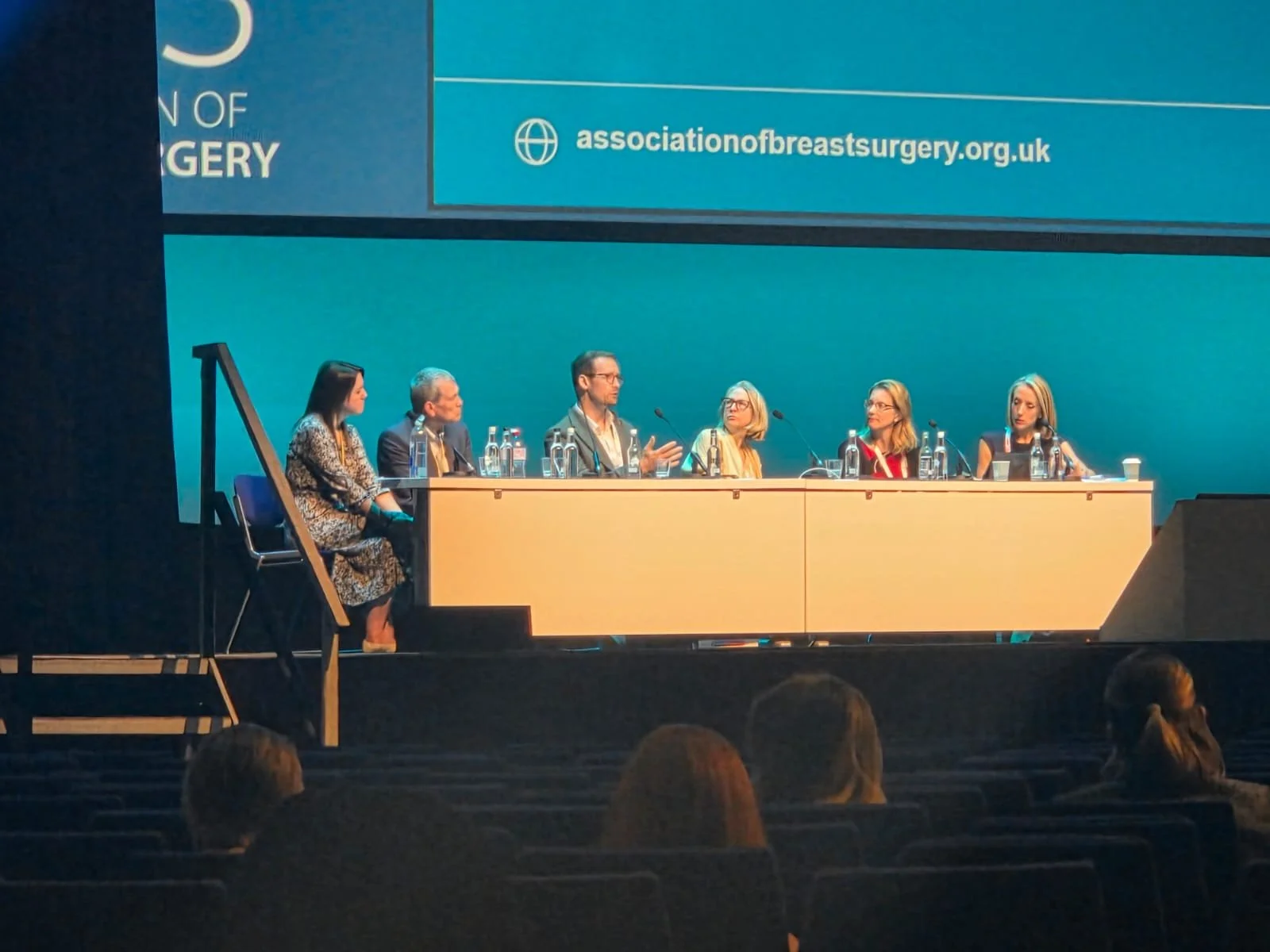
Breast cancer in men took an important step forward last month when it featured as a dedicated session at the Association of Breast Surgery (ABS) Conference – the first time the topic had been included as part of the event's core scientific programme.
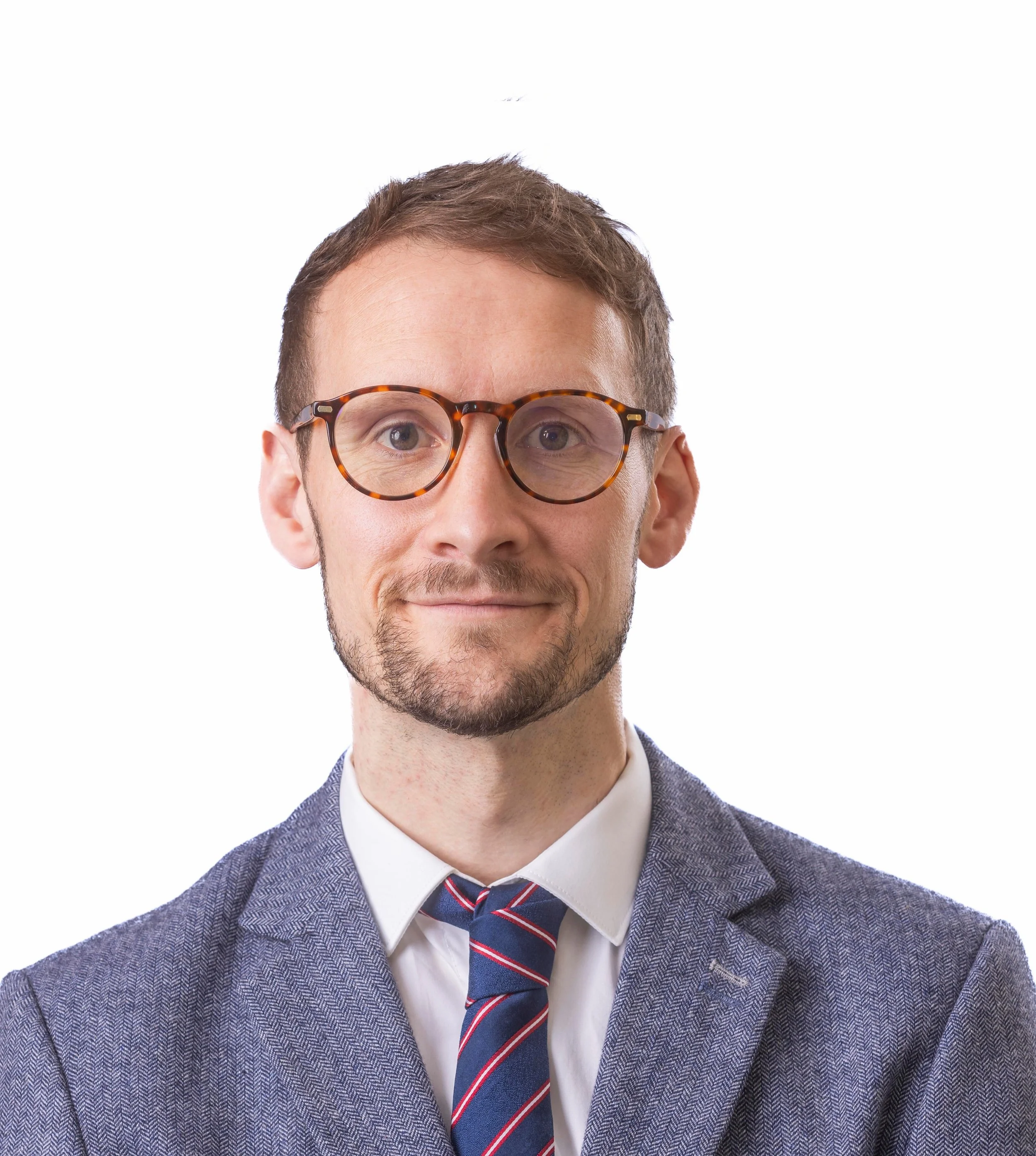
Ross McLean, Consultant Oncoplastic Breast Surgeon at Queen Elizabeth Hospital, Gateshead, was among those speaking during the session, sharing his expertise on breast cancer in men and the changes needed to improve care.
Following the conference, we caught up with Ross to discuss why the session mattered, the conversations it sparked and what it tells us about the direction of travel for men affected by breast cancer.
From awareness and research to surgical decision-making and national guidelines, here's what he had to say:
Male breast cancer had a dedicated session at this year's ABS conference. For those who weren't there, why was that significant and what did it feel like to see the topic given space at a national meeting?
“I was over the moon that ABS delivered this dedicated session - on the main stage nonetheless! To my knowledge, it's the first time the topic has been part of the core scientific programme at the national meeting for breast surgeons and the wider breast care team.
“It gave clinicians, researchers and patients the opportunity to deliver a consistent message: male breast cancer shouldn't be an afterthought. Men have distinct experiences and needs, and we need to move beyond simply applying pathways that were developed for women. It felt like an important step towards challenging the status quo and starting a wider conversation about how we improve care. It was also a timely opportunity to introduce the national guidelines we're currently developing, which were very positively received.”
You mentioned there was really positive engagement from the audience. What were people most interested in discussing and were there any reactions or conversations that stood out to you?
“There was a real appetite to discuss the differences between male and female breast cancer, not necessarily just in the biology of the disease, but in the patient experience and how we deliver care.
“One area that generated a lot of discussion was surgery. Around 94% of men currently undergo a mastectomy, and I presented two cases where I successfully performed breast-conserving surgery. It prompted people to think about whether we've accepted mastectomy as the default without always considering whether some men might prefer or be eligible for other options.
“Another particularly impactful part of the session was hearing from Dr Kerry Quincey, who specialises in the psychology of male breast cancer. She highlighted the unique challenges men face, from delays in seeking help to the psychological impact of diagnosis, treatment and survivorship. I think many people in the audience hadn't fully appreciated the extent of those challenges, so it sparked some really thoughtful discussion.”
What were the biggest themes or takeaways that emerged from the session, both in terms of the challenges men face today and where progress is being made?
“One of the most significant takeaways was that men's experiences are often overlooked. The expert panel discussed the psychological impact of diagnosis, the effect treatment can have on masculinity and body image, and how difficult it can be for men to find information or support that feels relevant to them. These are real issues, but they're not discussed often enough.
“The second theme was around choice. Historically, treatment decisions for men have often followed established patterns rather than being tailored to the individual. We explored whether breast-conserving surgery should be considered more frequently in suitable patients instead of mastectomy remaining the automatic default, and that generated a great deal of interest.
“Perhaps most encouragingly, there was a real sense that progress is being made. We're seeing more research, stronger patient advocacy, dedicated psychological expertise and, importantly, the development of national guidelines. Bringing all of these together feels like we are taking a genuine step forward.”
One thing you've spoken about before is challenging people's assumptions around breast cancer. Why do you think breast cancer in men still surprises so many people, including some healthcare professionals?
“Male breast cancer accounts for less than 1% of all breast cancers so most healthcare professionals will only encounter a small number of cases during their careers. As a result it simply isn't something that's front of mind when a man presents with a breast symptom.
“There's also a wider societal perception that breast cancer is exclusively or almost exclusively a women's disease. Many men don't even realise they have breast tissue or that they can develop breast cancer. That lack of awareness can lead to delays in seeking help diagnosis and referral which may contribute to the more advanced stage at presentation often seen in men compared with women.
“Even within specialist breast services many pathways resources and support systems have understandably been designed around women because they represent the vast majority of patients. The challenge now is making sure rarity doesn't become a reason for inequity.”
From your perspective, where are the biggest gaps that still need addressing for men affected by breast cancer? Is it awareness, diagnosis, support, research or something else?
“Awareness, support and research were three of the major themes that emerged from the session, and the reality is that all of those areas need attention.
“If I had to prioritise one, it would be awareness. That starts with men themselves recognising that breast cancer can affect them and seeking medical advice promptly when they notice symptoms. But awareness is needed throughout the entire pathway. It means primary care clinicians considering the possibility of breast cancer and making timely referrals, specialist teams recognising the unique needs of male patients, surgeons being aware of the full range of surgical options available, and ensuring that men have access to appropriate genetic assessment and counselling where indicated.
“Research remains a major challenge because the disease is so uncommon, meaning much of what we do is based on evidence from studies in women. We need a stronger evidence base to answer questions that are specific to men and to ensure treatment decisions are informed by data rather than assumption.
“Support is equally important. Many men tell us they feel isolated during treatment. Information resources, support groups, and even clinic environments are often heavily female-focused, which is understandable given the numbers, but it can leave men feeling that they're navigating a condition society doesn't expect them to have. Relatively small changes could make a significant difference to that experience.
“Ultimately, we need to move away from seeing male breast cancer as simply a rare version of a women's disease and towards recognising that men can have different experiences, challenges and priorities throughout their cancer journey.”
We regularly hear from men who struggle to find information and support that feels relevant to them. Is that something you recognise and what more could be done to improve the experience for male patients?
“Yes, although I think it's important to acknowledge that things have improved significantly in recent years. Organisations such as Breast Cancer Now now provide dedicated information for men with breast cancer, and there are excellent resources and support networks available through groups such as the Men’s Virtual Meet Up (VMU) and moobs.
“The challenge is often less about the absence of support and more about awareness and accessibility. Many men simply don't know that these resources exist particularly at the point of diagnosis when they are trying to make sense of a condition they may never have associated with themselves.
“Men also tell us that they value hearing from other men who have been through similar experiences. Whether that's discussing surgery, treatment, body image, relationships, returning to work or life after cancer - there is a reassurance that comes from speaking to someone who understands those challenges.
We can continue to improve the patient experience by ensuring men are visible in awareness campaigns, routinely signposting patients to male-specific resources and support networks, and involving men directly in the design of services and information resources. The most effective solutions won't come from designing services for men but from designing them with men.”
You're now leading the writing group for the national male breast cancer guidelines. What prompted that work and what impact do you hope it will have once completed?
“Male breast disease has been a particular interest of mine for around five years, and during that time I've been advocating for greater recognition of the unique needs of men with breast conditions.
“Part of that interest came from seeing a man with a small breast cancer undergoing a mastectomy. It struck me that we wouldn't automatically have offered the same operation to a woman with an equivalent cancer, yet I was told that men didn't need their breasts and wouldn't be bothered by losing them. That never sat comfortably with me.
“It has taken a couple of years of persistence and collaboration with ABS to reach this point, and I'm incredibly proud and excited to have been given the opportunity to lead this work. We've assembled an outstanding multidisciplinary group including surgeons, oncologists, radiologists, pathologists, psychologists, specialist nurses, and patient representatives, to develop the guidance.
“Our aim is to bring together the best available evidence, expert opinion and, importantly, the experiences of patients themselves to produce practical recommendations that breast teams can use in everyday practice.
“I hope the guidelines help improve the care of men with breast cancer across the UK, reduce unnecessary variation in treatment and support better outcomes for patients - not just from a cancer perspective, but from a psychological and quality-of-life perspective as well.”
Coming away from ABS, are you optimistic about the direction of travel? Does it feel like male breast cancer is finally getting the attention it deserves?
“I am genuinely optimistic.
“Simply having a dedicated session on the main conference programme was significant. It showed that male breast cancer is no longer being discussed on the sidelines, but is increasingly recognised as an important part of mainstream breast care.
“What encouraged me most, though, was the response from the audience. There was genuine curiosity, thoughtful discussion and a willingness to challenge long-held assumptions. We still have a lot of work to do, but it feels as though the conversation has shifted from asking whether this matters to asking how we improve care. That's a very encouraging place to be.”
Finally, if there was one thing you'd like healthcare professionals, policymakers and the public to better understand about male breast cancer, what would it be?
“The one message I'd like people to remember is that although male breast cancer is rare, the people affected by it deserve exactly the same attention, support and consideration as anyone else diagnosed with breast cancer.
“Rarity should never mean invisibility.
“Whenever we design services, conduct research, write guidelines or develop patient information, we need to remember that men are part of the breast cancer community too. If we listen to their experiences and respond to their needs, we have a real opportunity not only to improve clinical outcomes but also to improve quality of life - that's what this work is all about.”